Blair Butterfield

Interview with a Teaching Artist: Blair Butterfield
When did you start making body care products? How did you learn? Who taught you?
I started making simple body care products during my first pregnancy in my mid-twenties. I was frustrated and concerned about how many conventional products felt harsh, over-processed, or disconnected from the living world they claimed to come from. I learned through a slow process of apprenticeship-by-doing: studying herbalism, traditional soapmaking and perfumery texts, taking workshops, experimenting in my own kitchen, and learning directly from plants themselves over time. No single person taught me—this has been a lived and life-long education shaped by mothers, grandmothers, teachers, books, land, mistakes, and curiosity.
Where do you most like to work? Or where would you love to work if you could?
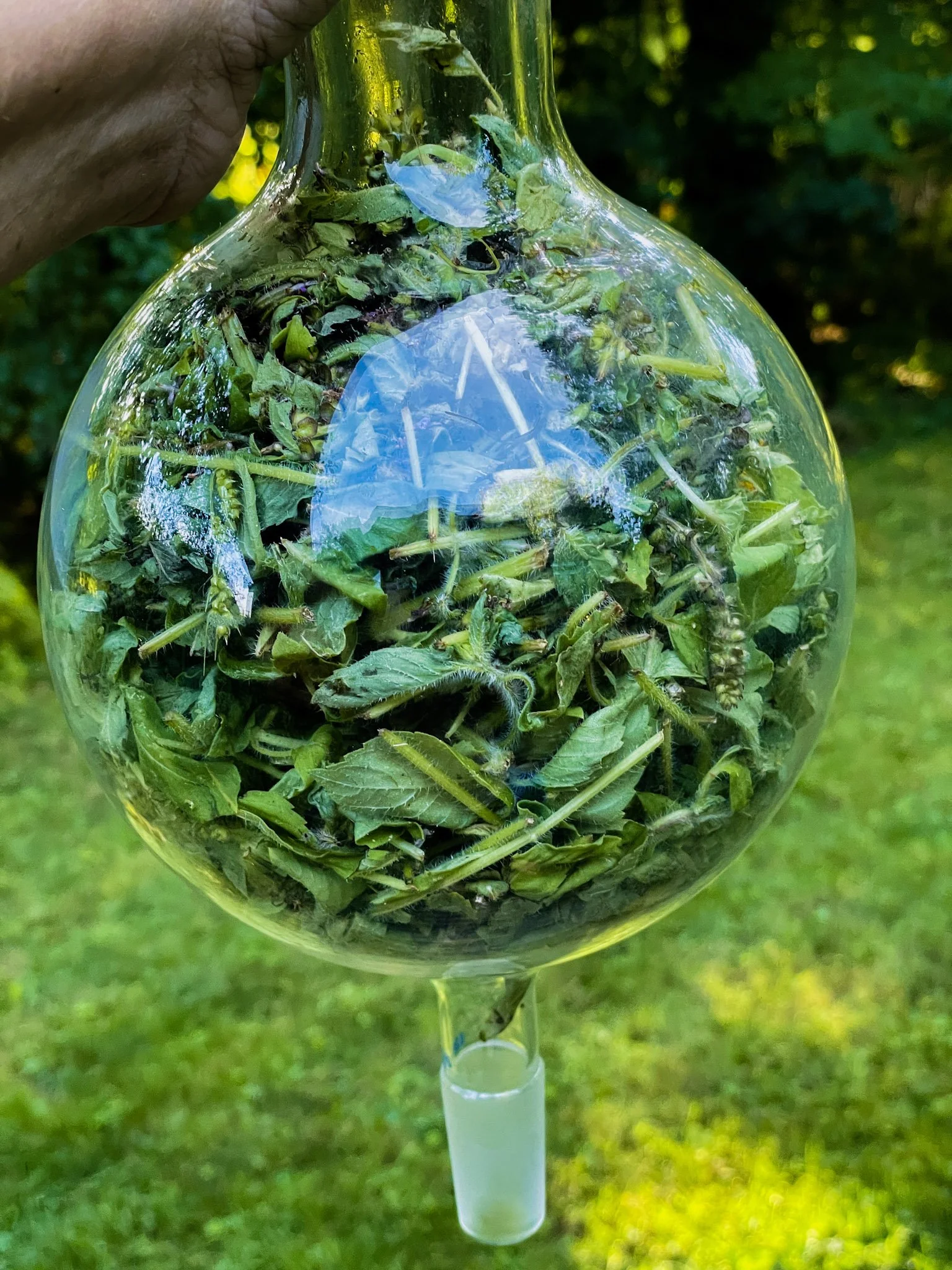
I love working in close proximity to my gardens here in Vermont, but I also love having company and inviting others into my studio and workspace. I’m especially drawn to working in semi-public ways—distilling botanicals or pouring soap in front of a window where passersby can witness the process. I love when curiosity is sparked and when making becomes a quiet invitation into conversation, connection, and wonder.
Any artists, books, places, etc. that you’d recommend folks to check out?
The Herbal Medicine-Maker’s Handbook by James Green is foundational for anyone interested in working with plants in practical, grounded ways. For a deeper philosophical underpinning, anything by Robin Wall Kimmerer will change how you see plants and your relationship to the living world. Make Your Place by Raleigh Briggs is a beautiful, accessible entry point into making everything from cleaning products to simple medicines and household remedies.
I’m always looking toward women artists and makers—so many women have been lost to typical historical documentation. I’m especially drawn to women who work intuitively and in connection with spirit and land: Anna Atkins, Hilma af Klint, Agnes Pelton, Francesca Woodman. I also read widely from women shamans and medicine makers. It’s not so much about the final product for me—it’s about relationality and embodied practice. I try to hold that orientation when I make, teach, parent, and cook. Art is life, and life is art.
What other crafts pique your interest? Why?
Fermentation is something I love—it feels like collaborating with invisible worlds. I’m also experimenting with eco-photography, using coffee, seaweed, turmeric, and plants to create images. I’m drawn to processes that blur the line between craft, chemistry, and magic—where materials have their own agency in shaping the outcome.
What are you currently reading? Or listening to?
I’m often reading a mix of ecology, trauma-informed psychology, and poetic nonfiction. I tend to oscillate between grounding texts and more visionary ones. Right now, I’m deep in coursework for my art therapy and counseling program, so there’s a lot of clinical theory in my reading life. But I always have plant books nearby—currently I’m reading Mary-Grace Fahrun's Italian Folk Magic: Rue's Kitchen Witchery and a materia medica focused on Afro-Caribbean American uses of plants.
What’s on your nightstand?
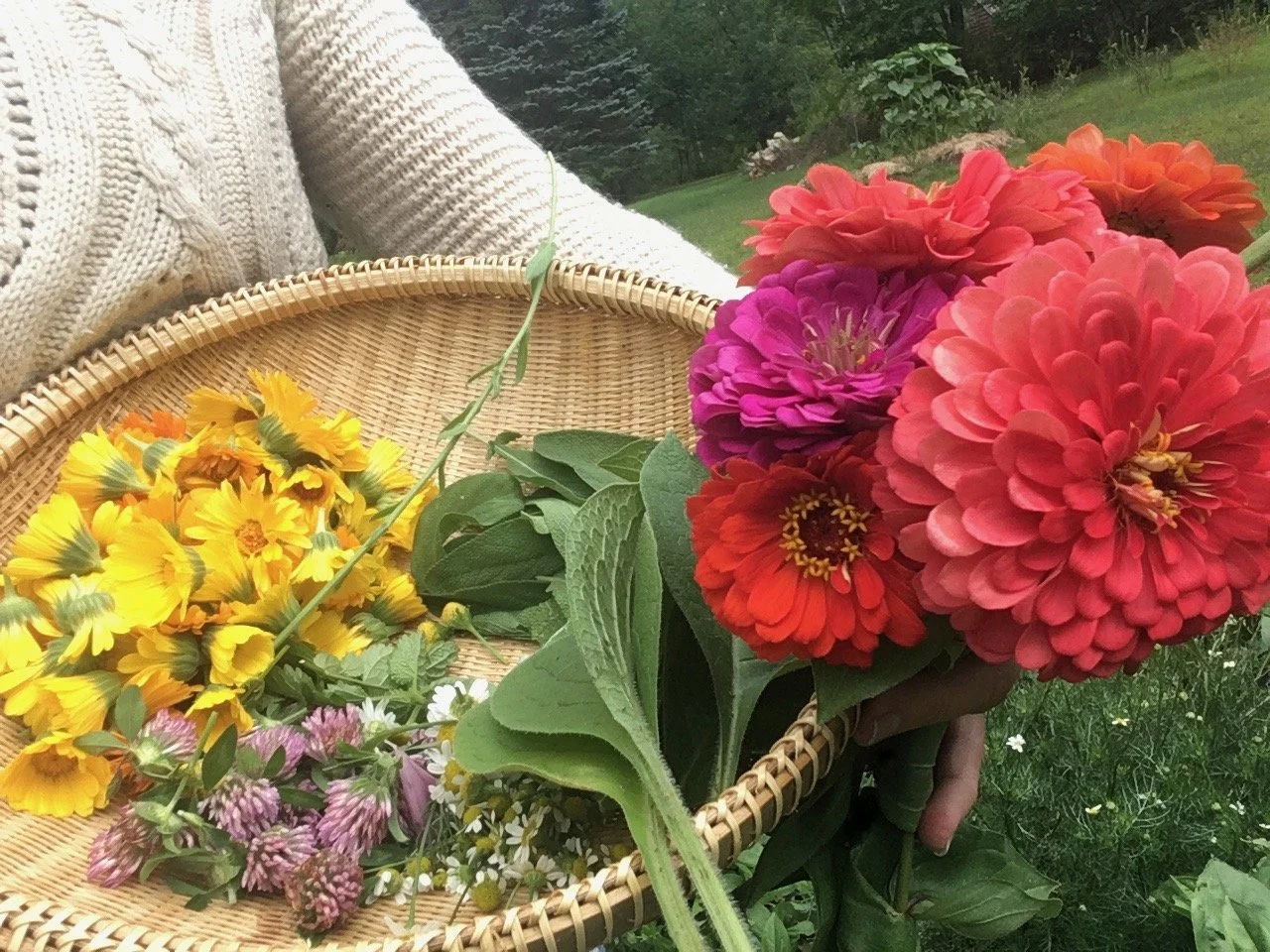
My nightstand usually holds some combination of herbalism texts and women’s studies—Caliban and the Witch and Women Who Run with the Wolves are almost always nearby. There’s also always a cup of herbal tea. I grow milky oats, nettles, red raspberry leaf, different types of peppermint and mints, and mugwort in the summer so I can drink my own garden all year long. In winter, I use pure lanolin on my lips at night—simple, old-world, and deeply effective.